This case study captures a pivotal moment at PandaMatch: the transition from a "Search Tool" to a "Lead Generation Engine." It highlights my ability to balance the rapid pace of an MVP launch with the high-empathy requirements of a B2B sales audience.
Focus Area :
MVP Strategy, User Onboarding, and Error Prevention Logic
Core Objective :
To launch a high-speed "Leads Finder" MVP that validates market demand while minimizing user friction and financial anxiety.
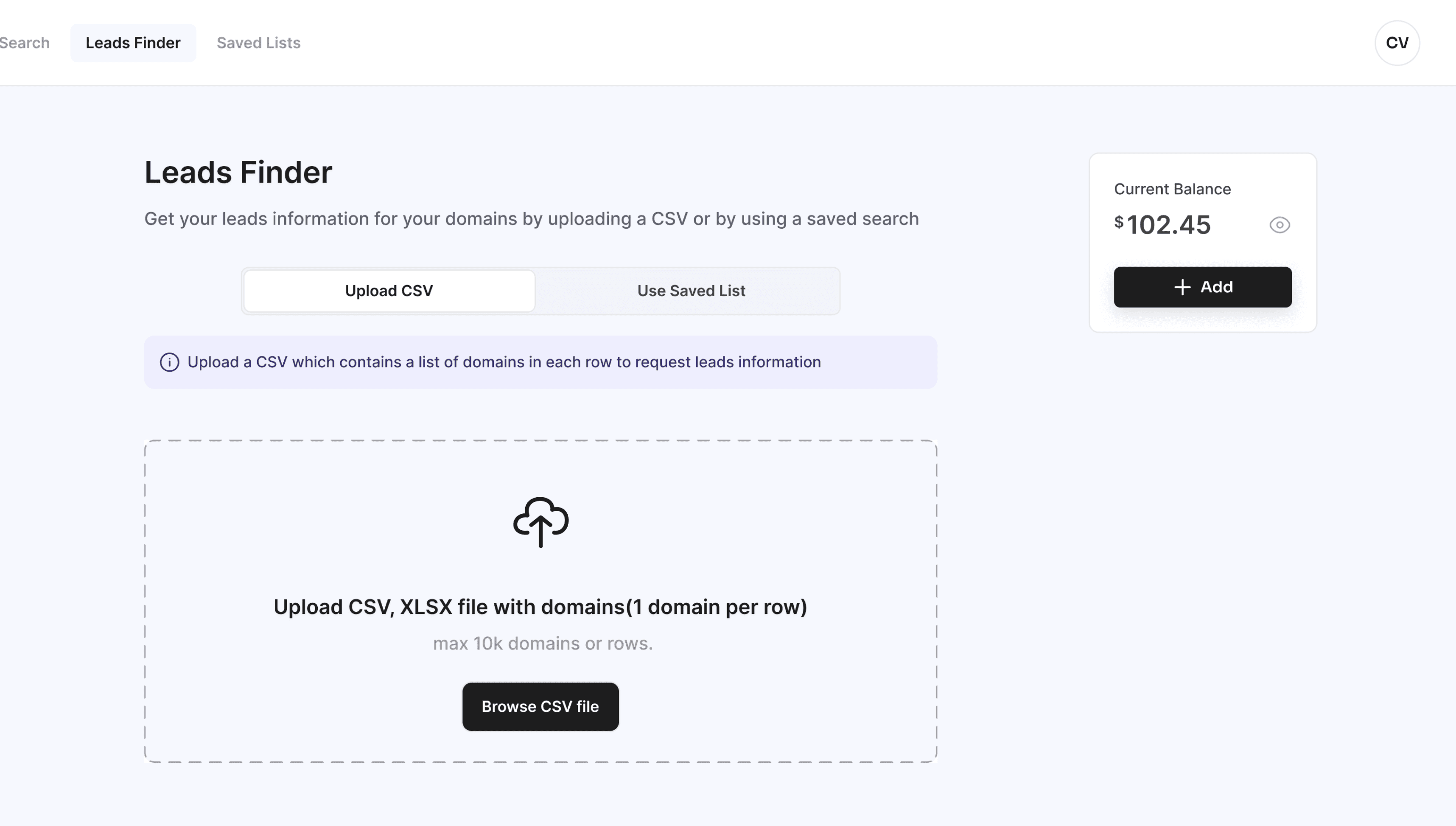
Brief Context
As PandaMatch shifted its core focus from company lookups to active lead generation, we needed to test the "Leads Finder" feature at scale.
The business goal was to move fast and break things—but from a design perspective, I had to ensure we didn't break user trust.
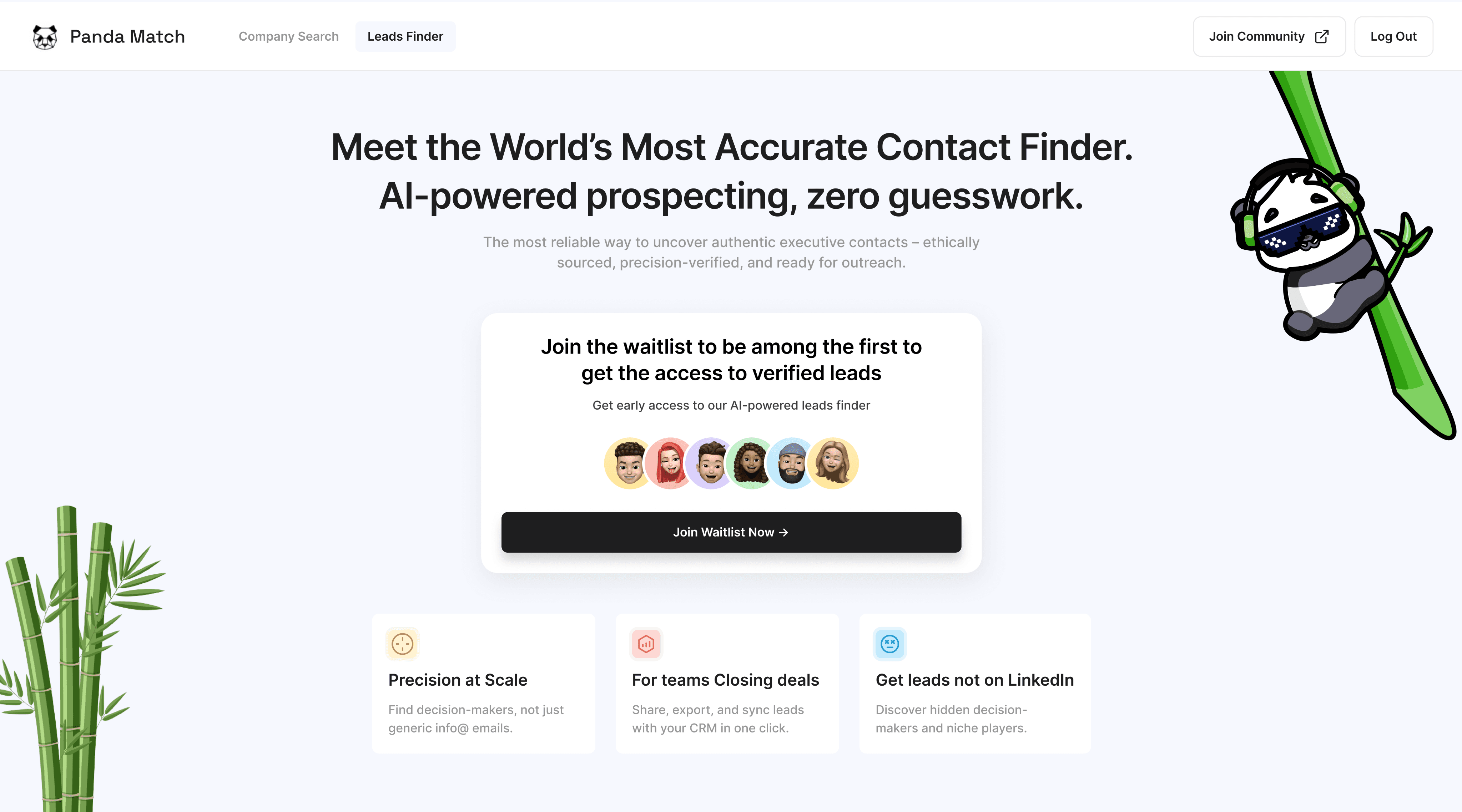
We launched a Waitlist Strategy, using Mixpanel to track event data and verify if our niche audience was actually ready to pay for bulk lead extraction before committing to a full-scale market launch.
The Latency Problem :
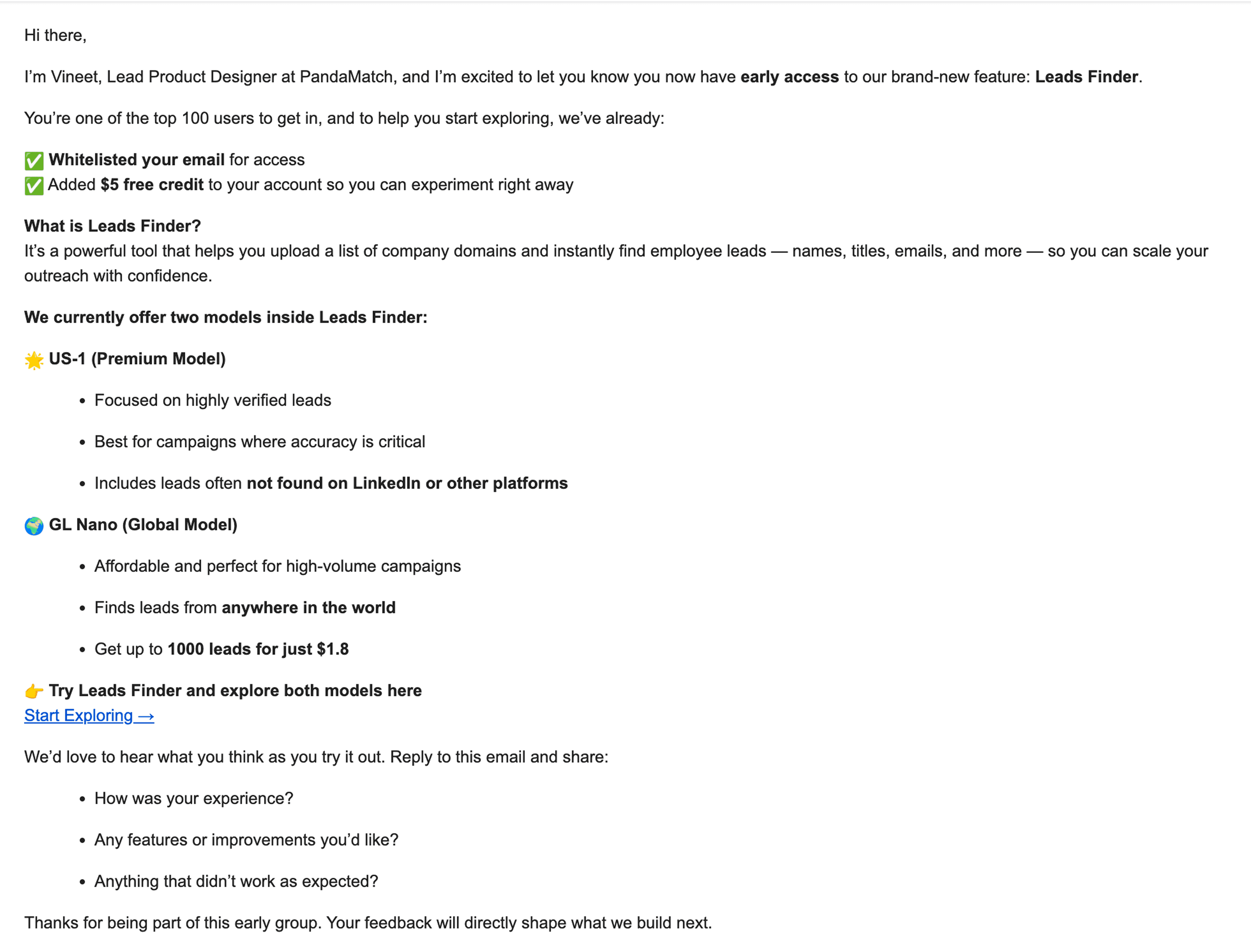
Because this was an MVP, lead generation wasn't instantaneous; it took anywhere from 15 minutes to 6 hours. Handling this "wait time" without frustrating the user was a major UX hurdle.
Financial Anxiety :
The original plan was to deduct credits automatically upon upload. However, users often fear "hidden costs" when they don't know the exact output they are paying for.
Input Quality Control :
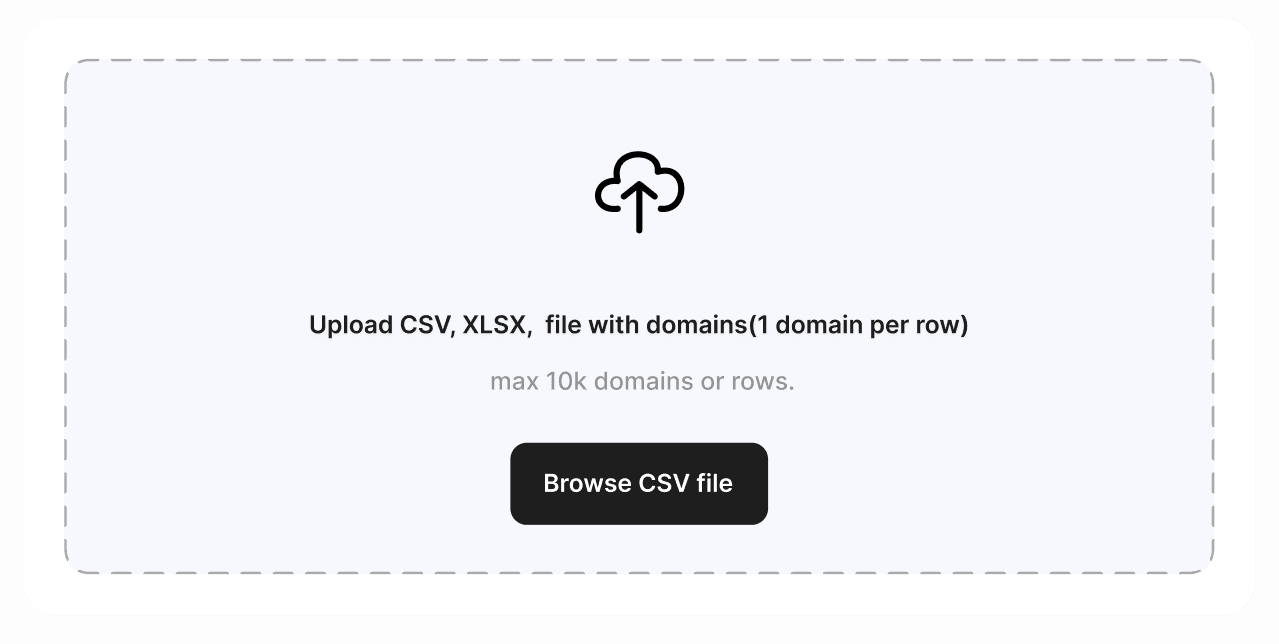
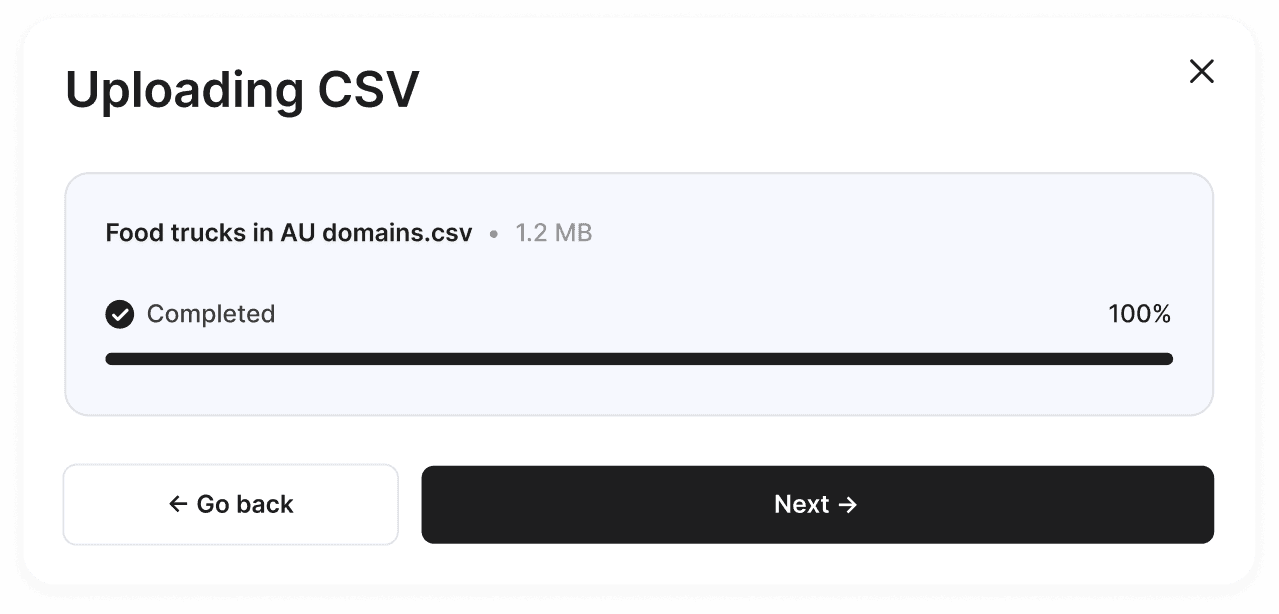
The feature relied on users uploading CSV/Excel files with domain lists. If the formatting was wrong, the entire backend process would fail, wasting both user time and company resources.
Fast-Paced MVP Cycles :
Leveraging Wix to handle a dynamic database of hundreds of parking slots while maintaining a high-performance, premium UI.
Design Approach
The "No Surprises" Credit Model :
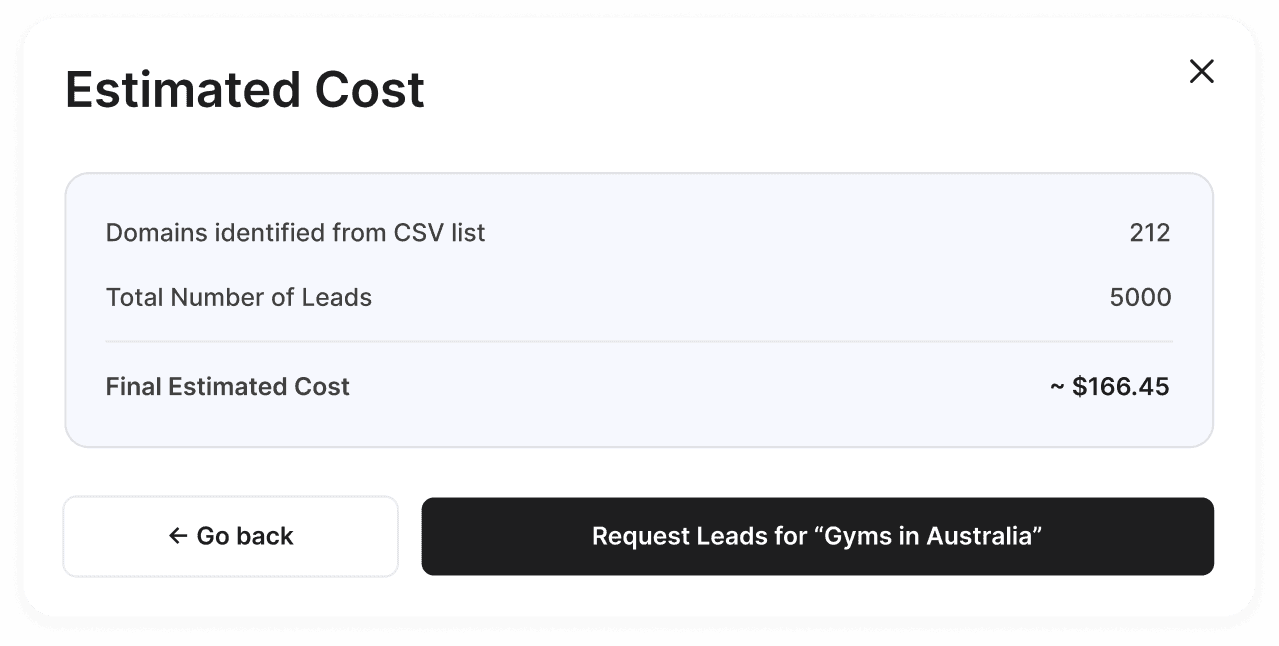
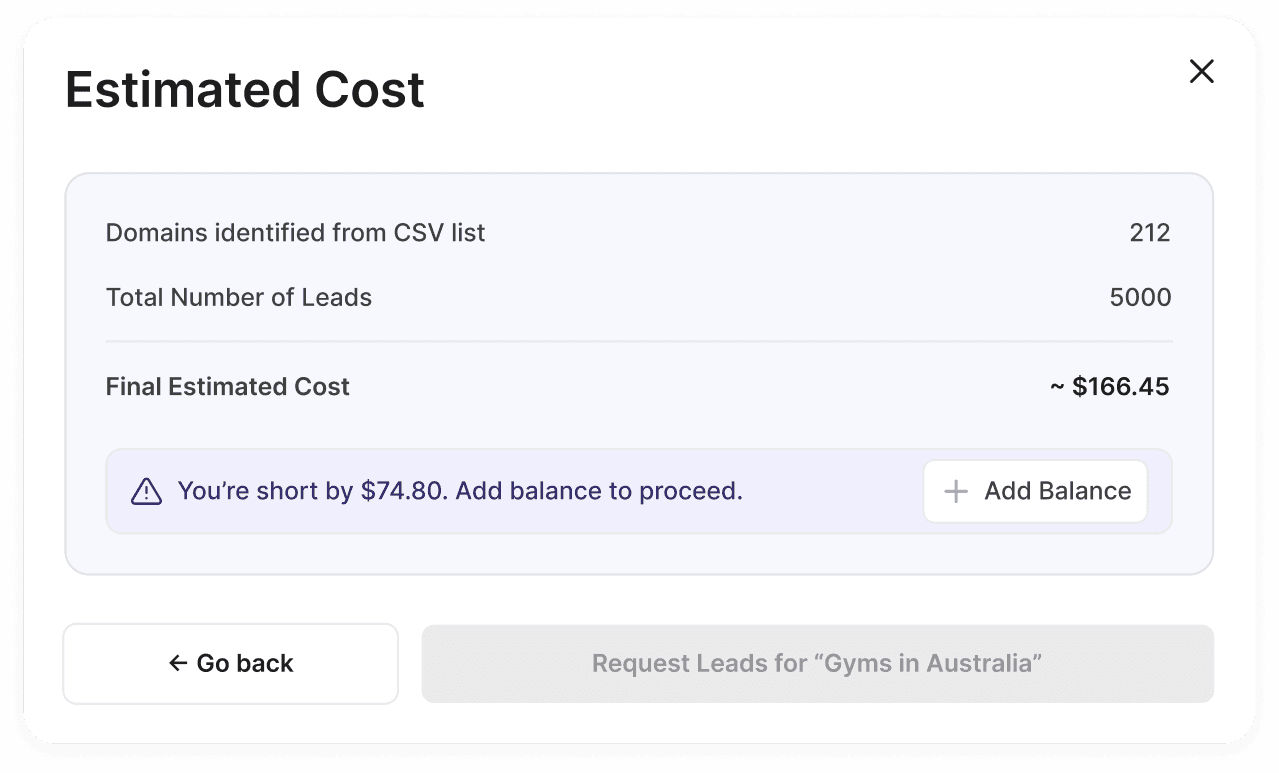
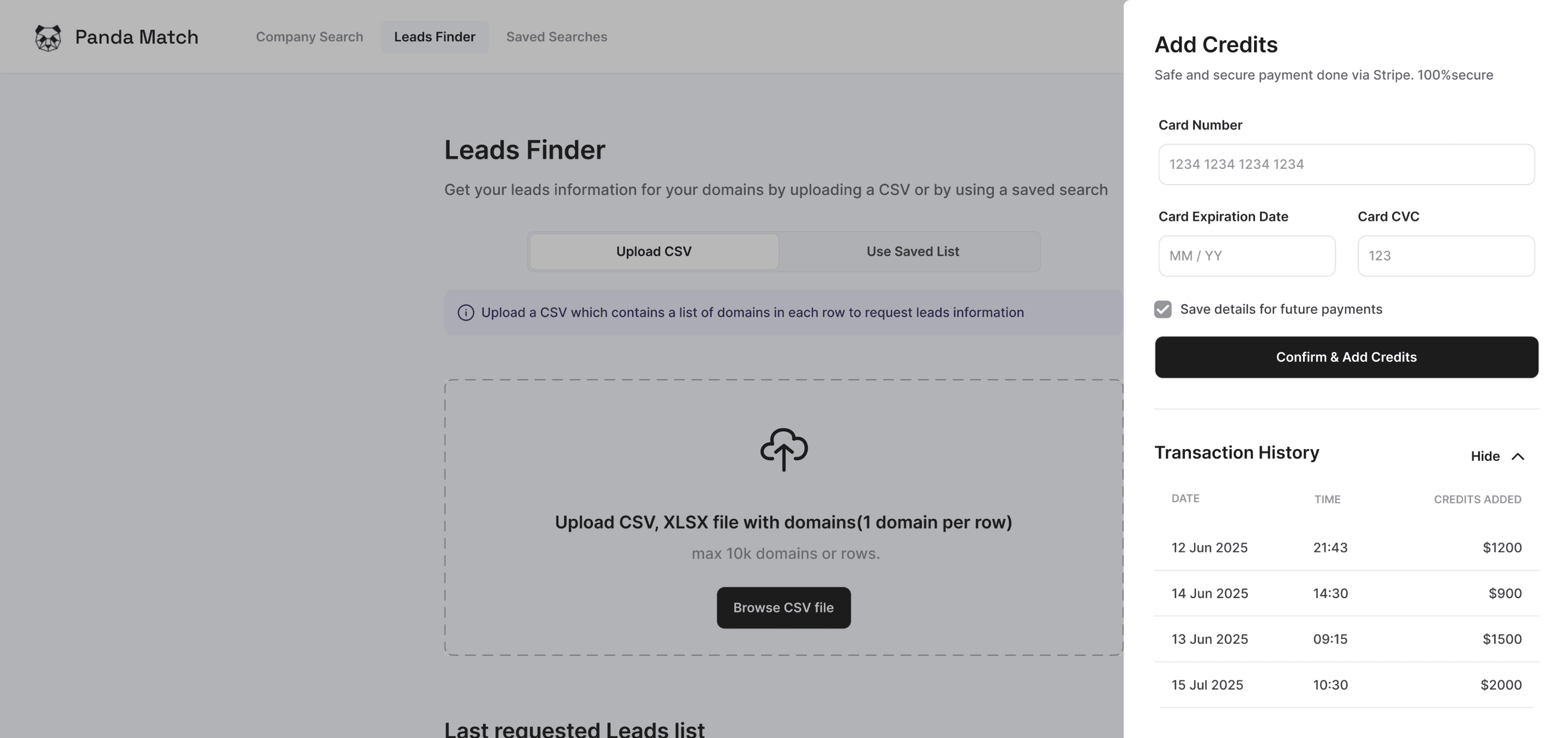
I challenged the initial "auto-deduct" plan. I advocated for an Estimated Cost Preview.
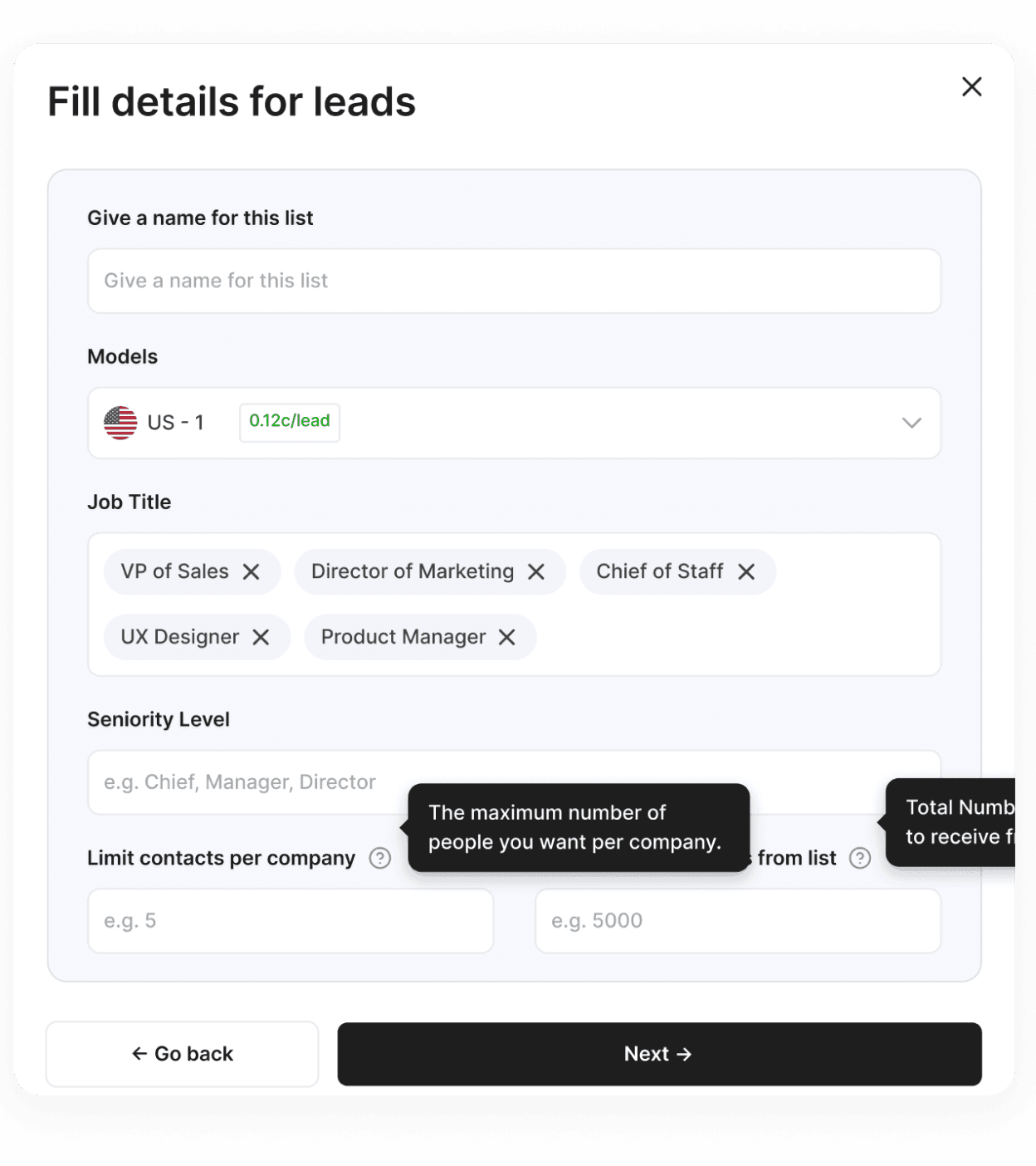
Before a user committed their request, the UI calculated a cost range based on their requested parameters (e.g., number of leads per company, specific AI models used).
If the user was short on credits, I implemented an immediate Top-Up CTA right within the flow to prevent them from dropping out of the funnel.
Communicating the "Wait" :
To manage expectations during the 15-minute to 6-hour delay, I designed a Status-Aware Success State.
Instead of a generic "Thank You," I used a Lottie-animated success mark paired with explicit copy: "Your list is being generated. Expect your leads in your inbox between 15 mins to 6 hours."
This transparency reduced support tickets from users wondering why their results weren't immediate.
Bulletproofing the Upload Flow :
Salespeople are often moving fast and make manual entry errors. I designed a suite of Edge-Case Pop-ups to handle common friction points:
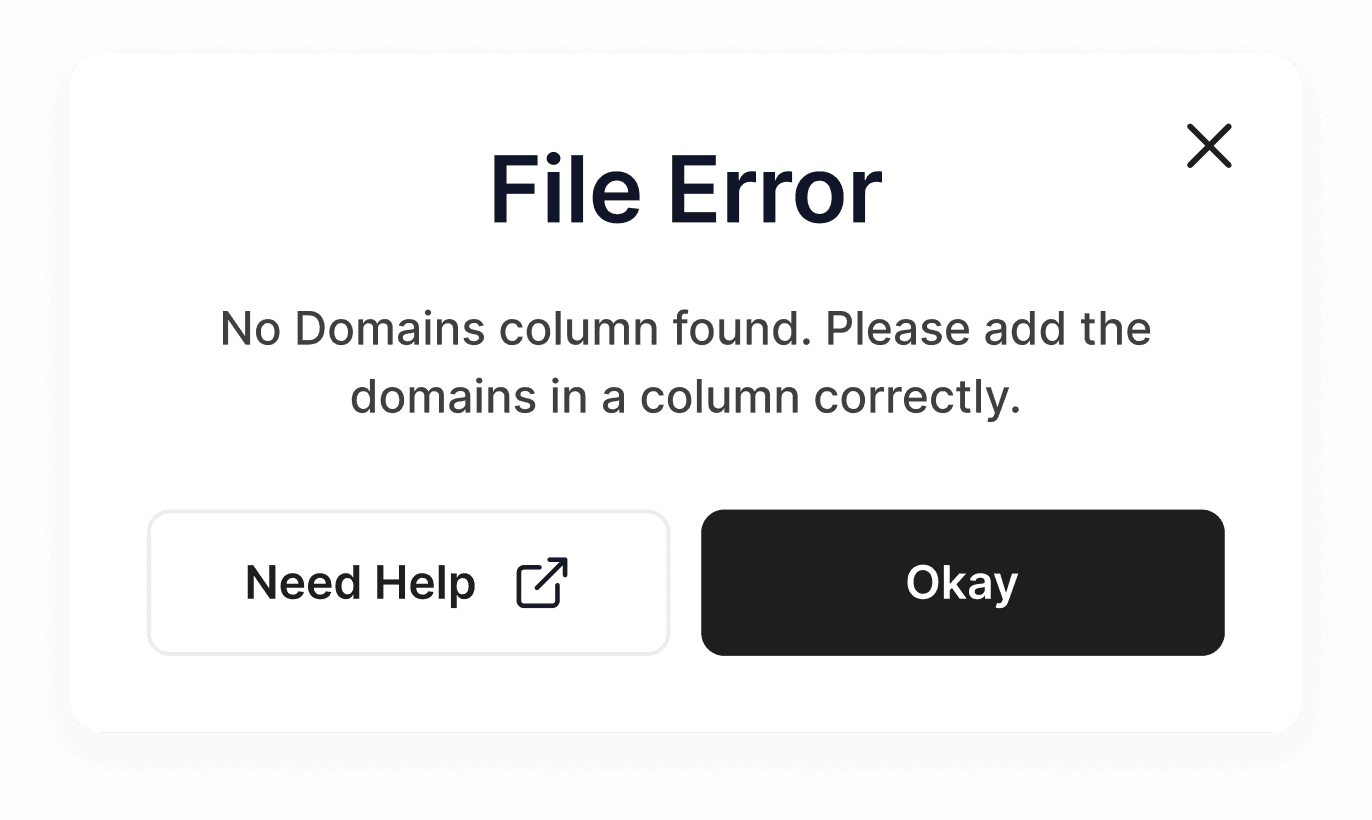
Format Errors: If a file was uploaded without domains, the pop-up specifically instructed: "No domains found. Please ensure the 'Domains' column is correctly labeled."
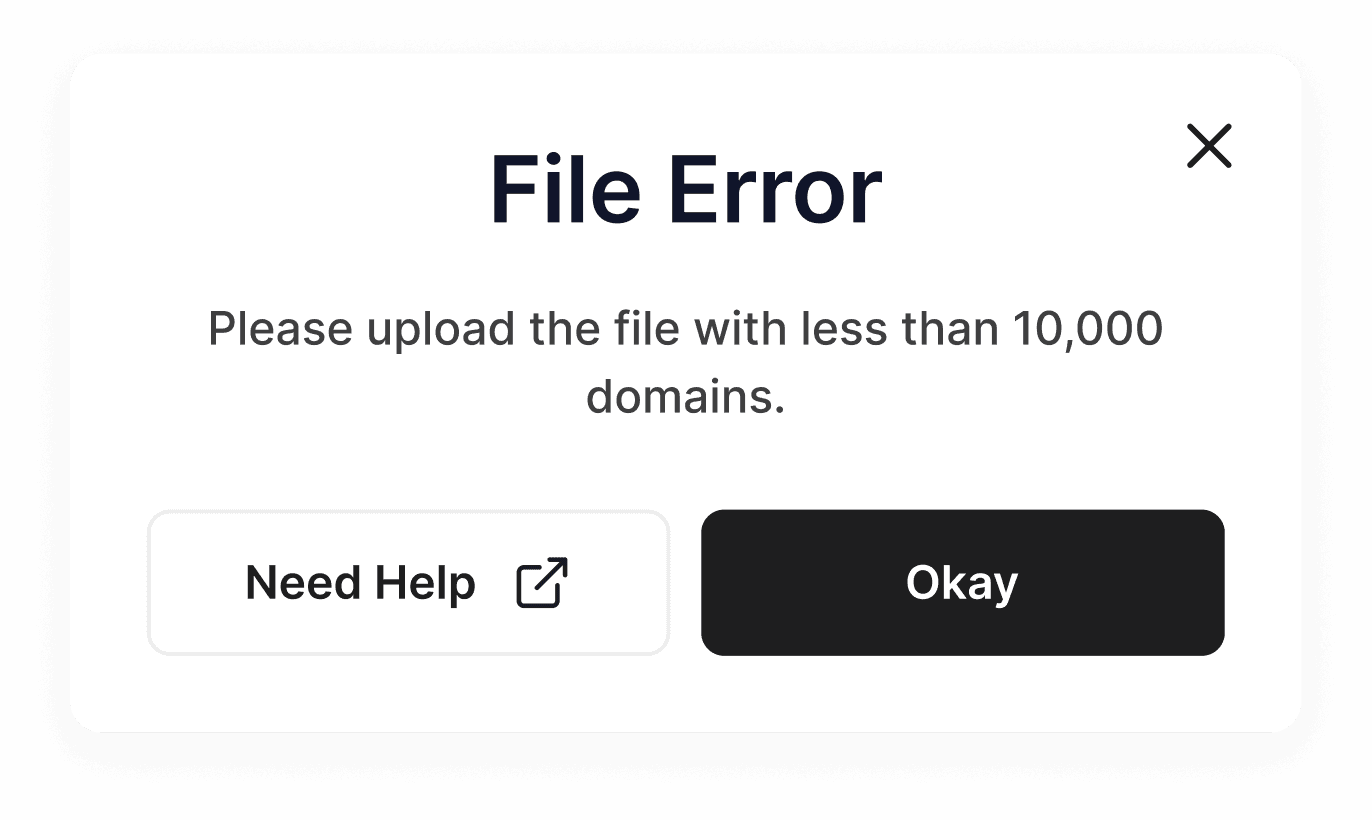
Capacity Limits: If a file exceeded 10,000 domains, a warning appeared to prevent system overload and provide a clear cap.
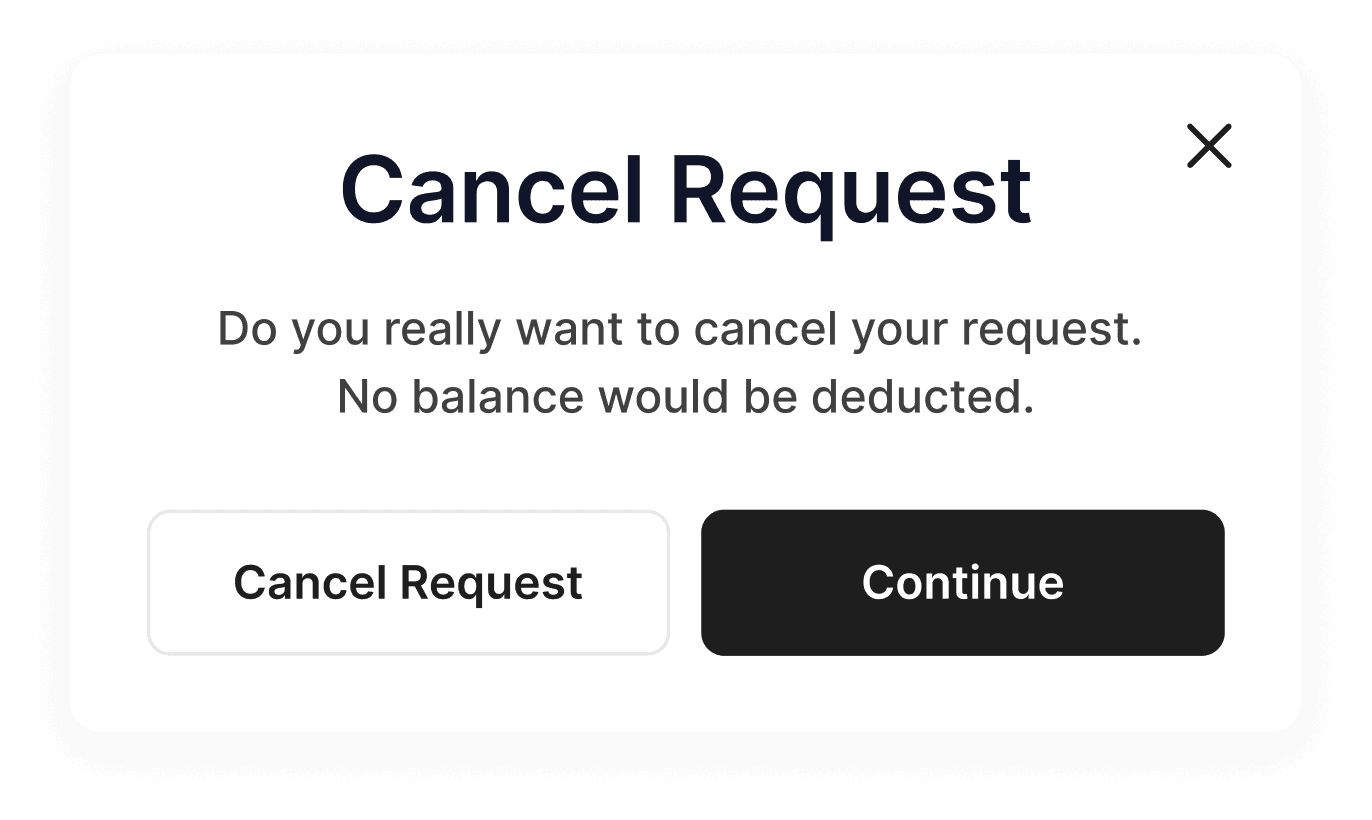
Abandonment Confirmation: If a user tried to cancel a request mid-flow, I added a confirmation modal that reassured them: "Your balance will not be deducted if you cancel now."
Solutions
Waiting Queue Strategy :
To build hype and manage server load, I designed a "Join Waiting List" page that explained the value of the Lead Finder, serving as a high-intent filter for our early testers.

In-App & Email Loop :
Since the results were delayed, I ensured the "Generated" notification happened via email, ensuring the user was brought back to the platform the moment their requested leads list was ready.
The "Leads Per Company" Filter :
I introduced a simple selector that allowed users to choose how deep they wanted the to dig into each domain, giving them control over their credit burn rate.
Key Learnings
Reduced "Credit-Fear" :
By showing estimated costs upfront, we saw a higher rate of successful uploads and fewer complaints regarding accidental credit usage.
Data-Driven Validation :
Mixpanel events confirmed that the "Join Queue" page had a high conversion rate, giving the founders the confidence to move from MVP to a full product launch.
High Completion Rate :
Despite the manual upload process, the clear error-handling pop-ups meant that 90%+ of users who started an upload successfully completed it without format errors.
Effective Expectation Management :
The explicit 6-hour time window successfully managed user psychology, allowing the dev team to process lists in batches without facing an influx of "Where is my file?" support emails.